English
 Arabic
 Turkish
 French
 Russian
 German


Cost of Full Mouth Dental Implants in Philippines
- 2025-12-20 18:10:13
- Dental Tourism
Cost of Full Mouth Dental Implants in Philippines
It’s not just about where you go, but who you trust to get you there. At MedicalsWay, we walk beside you and connect you to vetted clinics and trusted dentists so your journey to affordable quality care feels clear and steady.
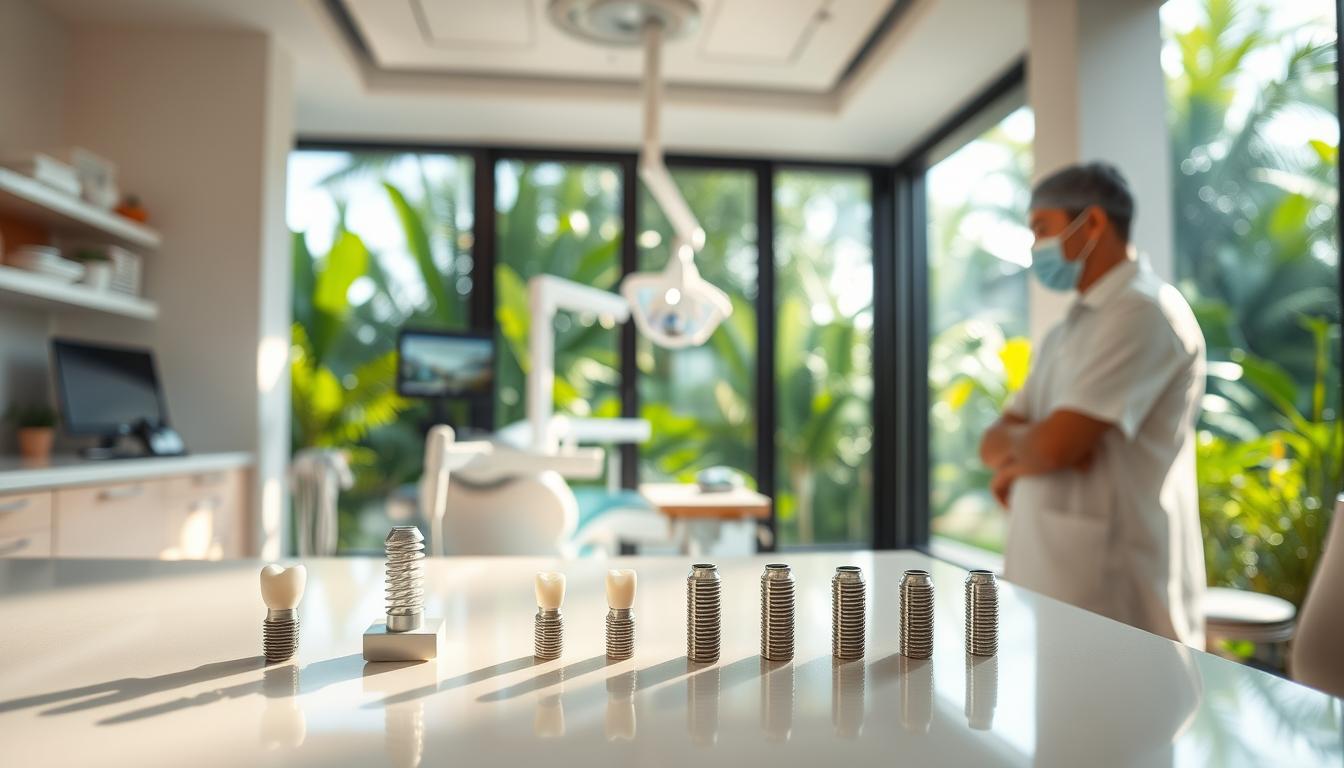
Compare prices and outcomes with confidence. A typical All-on-4 per arch in the Philippines runs much lower than U.S. fees, and single titanium implant pricing also shows big savings. Clinics commonly use CBCT, 3D impressions, and CAD/CAM to improve precision and reduce chair time.
English-speaking teams and U.S.-aligned training make communication smoother and safer. Success rates for properly placed implants hover near 95%, so you get predictable results for your smile and jaw.
We explain timelines—surgery, healing, and final teeth delivery—so you can plan travel and time off work. We also guide you on brands, warranties, and aftercare so the long-term success of your treatment is protected.
Key Takeaways
-
We help you compare total price and real value versus U.S. fees.
-
Major savings often come per arch while keeping high quality and success rates.
-
Modern diagnostics like CBCT and CAD/CAM boost precision and speed.
-
English-speaking teams and U.S-style training ease communication and safety.
-
MedicalsWay manages clinic matching, travel planning, and post-care support.
MedicalsWay — Your Bridge to Better Health and Dental Care Abroad
We make arranging complicated treatment abroad feel simple, safe, and personal. It’s not just about where you go, but who you trust to get you there. We connect you with top clinics and a trusted dentist network, then handle logistics so care stays the focus.
How MedicalsWay simplifies your implant journey
We pre-screen every clinic for training, accreditation, technology, and outcomes so patients can choose with confidence. Clinics in our network use CBCT, 3D impressions, and CAD/CAM to speed planning and enhance precision.
Our concierge coordinates consultations, imaging, travel timelines, and clear communication. That means treatment fits your schedule and budget, and you get side-by-side clinic options with transparent pricing and brand disclosures.
Vetted clinics, trusted dentists, and seamless logistics
We partner with English-speaking providers who follow international standards for sterilization and safety. From airport pickup to clinic-adjacent hotels, we manage transport and lodging so you can focus on recovery and follow-up care.
We advocate for you throughout planning and after surgery — keeping the process organized, patient-centered, and built on quality, trust, and accountability.
At a Glance: What Americans Pay in the U.S. vs. the Philippines
A straight per-arch comparison shows where your money goes — and where you can save.
Typical U.S. fees can be steep: All-on-4 runs about $24,000 per arch, All-on-6 about $28,000, All-on-8 near $35,000, and a single implant averages $5,000.
By contrast, common pricing abroad is much lower: All-on-4 ≈ $7,533/arch, All-on-6 ≈ $9,806, All-on-8 ≈ $12,079, and a single titanium implant ≈ $1,060.
Why the gap exists and what it means for you
Lower overhead and operating expenses—not lower standards—often drive affordability in many clinics abroad. That means similar materials and predictable parts access at a fraction of U.S. fees.
Brands matter. Straumann, Osstem, and BioHorizons are commonly available, which helps ensure long-term serviceability and part replacement if needed.
How we help you weigh value
We show per-arch comparisons so you can estimate savings up to about 75% without sacrificing quality. We also factor in travel and lodging so you confirm net savings before you book.
Tip: Investing in premium titanium components can raise upfront numbers but often improves longevity and reduces future fixes. We guide you through that choice based on your treatment plan.
full mouth dental implants cost philippines
Here’s a clear per-arch price guide so you can budget smarter for treatment abroad. We list typical ranges and show what usually appears in a clinic quote so you compare offers fairly.
All-on-4, All-on-6, All-on-8 per-arch ranges
All-on-4: ≈ $7,533 per arch.
All-on-6: ≈ $9,806 per arch.
All-on-8: ≈ $12,079 per arch.
What’s usually included — and what’s not
Most quotes include consultation, CBCT imaging, surgical placement, and provisional teeth. That covers the main procedures and the first temporary prosthesis.
Extras often billed separately are advanced grafting, sinus lifts, certain medications, extended temporaries, and re-treatment. Bone grafts commonly run about $600 per quadrant.
Present-day budgeting considerations
Factor in flights, clinic-adjacent hotels, and time off work so savings remain real after travel. We help compare like-for-like proposals so surprise line items don’t erode your net benefit.
Tip: Plan travel between January and May when clinics are least busy and scheduling is easier for follow-up visits.
Breaking Down the Options: All-on-4, All-on-6, and All-on-8
An implant plan should match your anatomy, chewing forces, and long-term service needs. These techniques refer to how many posts support a full-arch prosthesis. More anchors can mean more stability in select cases, but the right choice depends on bone volume, bite force, and prosthetic span.
When to choose All-on-4 vs. All-on-6/8
The four-anchor approach uses angled placement to avoid sinus areas and limit grafting for many patients. That makes surgery less invasive and speeds initial recovery.
Six or eight anchors may be better when bite forces are high, bone is softer, or the prosthesis is long. More posts can distribute loads and enhance durability over time.
Implant count, stability, and long-term value
We weigh implant count against maintenance and prosthetic serviceability. More implants can reduce stress on each post and lower the chance of prosthetic wear. They may also simplify future repairs.
Our partners use digital planning and guided placement to optimize placement and boost success. We help you choose based on anatomy, goals, and budget—not a one-size-fits-all rule.
Key Cost Drivers You Should Know Before You Book
Before you book, know which line items drive your final bill and why they matter for long-term results. We break the main drivers into clear pieces so you can compare quotes the right way.
Diagnostics and planning
Advanced imaging like CBCT, 3D digital impressions, and CAD/CAM planning speed up surgery and improve accuracy. That often reduces chair time and lowers the chance of surprises during treatment.
Materials and prosthetics
Choice of titanium posts, abutments, and provisional versus final prosthetics affects longevity and maintenance. Premium components raise upfront numbers but can reduce future repairs.
Clinic overheads and clinician skill
Surgeon experience, clinic accreditation, and in-house technology shape both price and value. Lower overheads can cut fees, but expertise and equipment matter more for predictable outcomes.
Travel, lodging, and time off
Packages may include transport and hotel coordination. Still, you should tally flights, clinic-adjacent lodging, and recovery time so your budget shows true door-to-door costs.
We help you compare transparent quotes and highlight where small differences—graft fees (≈ $600 per quadrant), warranty terms, or digital workflows—can change results and long-term value.
Quality and Safety: Training, Standards, and Technology in the Philippines
Clinical training and modern lab tools together make safety a predictable part of your treatment journey. We work with clinics where dentists follow curricula aligned with U.S. education and where professional oversight keeps practice transparent.
U.S.-aligned training and professional oversight
The Philippine Dental Association and the Professional Regulation Commission monitor licensure and continuing education. That creates consistent standards and helps your dentist deliver predictable surgery outcomes.
State-of-the-art equipment for precision and speed
Clinics commonly use CBCT, 3D scanners, and CAD/CAM workflows. These tools cut visits, speed provisional prostheses, and enhance long-term success.
English as an official language: smoother communication
Clear communication matters. English is widely used in clinical settings, which lowers misunderstandings before, during, and after care.
Our role is to verify training, accreditation, and tech so you choose clinics with proven quality and reliable follow-up.
The Procedure Timeline: From Consultation to New Smile
Knowing each step ahead reduces stress and helps you schedule smarter around work and travel. We walk beside you through planning, placement, and recovery so expectations stay realistic and clear.
Surgical placement and immediate steps
First, we confirm the plan with scans and a guided surgical guide. This lets the surgeon perform precise implant placement with fewer surprises.
After surgery you get clear post-op instructions, medications if needed, and a temporary prosthesis to protect function and esthetics.
Osseointegration and healing expectations
Healing is when bone bonds to the post. That process can take about six weeks to six months depending on bone health and location.
Good general health speeds healing. We review nutrition, smoking cessation, and follow-up checks to protect success.
Abutment and final prosthesis delivery
Once integration is solid, we attach abutments and take digital records for a custom-milled final prosthesis. Final teeth are fitted for bite, comfort, and appearance.
"With planning and proper care, success rates approach 95% for well-managed cases."
Tip: Time travel so one trip covers surgery and the early follow-up. We help map visits to minimize trips while protecting long-term outcomes.
Candidacy and Add-On Procedures That Affect Cost
We begin by reviewing medical history and bone volume so your surgical plan fits you.
Who’s a good candidate
A good patient manages chronic conditions and follows basic oral hygiene. Heavy smoking or uncontrolled diabetes can lower success rates for a surgical procedure.
We review gum health, medication, and habits that may affect healing. That helps us advise if a dental implant plan is realistic now or after preparation.
Bone grafting and sinus lifts: when and why
Thin bone or low upper-posterior height may require a bone graft or sinus lifts before implants. A typical bone graft per quadrant can be around $600, which adds time and healing needs.
These add-ons change the number of visits, extend healing, and affect final treatment scheduling. We customize plans to your jaw anatomy so stability and long-term function aren’t left to chance.
We’ll also discuss lifestyle steps—like quitting smoking and improving hygiene—to improve outcomes and protect your investment.
Pros and Cons: Balancing Savings with Predictable Outcomes
Balancing savings with predictable outcomes starts with honest, practical information. We want you to see both the clear benefits and the realistic limits so you can choose wisely.
Advantages
Function and confidence: Modern implant solutions restore strong bite forces so you can eat, speak, and smile with ease.
Aesthetics and oral health: Teeth replacement preserves facial structure and supports gums. That helps long-term oral hygiene and overall appearance.
Longevity and success: With quality parts and proper care, success rates approach 95% over time, making this a durable treatment option.
Considerations
Healing and staged care: Integration takes weeks to months. Some patients need staged procedures when bone volume is limited.
Medical and anesthesia risks: Surgery carries typical anesthesia side effects. We review options and risk mitigation with your team.
Value over price: We emphasize safety, premium components, and experienced clinicians so savings don’t trade off predictable outcomes.
"Clear aftercare and maintenance protect your investment and help sustain success."
Aftercare and Maintenance: Protecting Your Investment
Protecting your investment starts the moment you leave the clinic. We guide you through clear post-op steps so healing moves smoothly and risks stay low.
Immediate post-op care and hygiene essentials
Follow your surgeon’s pain plan: over-the-counter or prescribed meds and ice packs cut swelling and discomfort. Use a 0.12% chlorhexidine rinse twice daily for about two weeks to lower bacteria and support tissues.
Eat soft foods, avoid chewing on the treated side, and skip heavy exertion for a few days. When you start brushing, use a soft brush and gentle strokes around the implant and provisional teeth.
Six-month checkups, home care, and smoking cessation
Six-month professional cleanings keep tissues healthy and hardware secure. Regular maintenance helps spot small issues before they become repairs.
Quit smoking if possible: tobacco raises the risk of implant failure and slows healing. Good nutrition and hydration speed recovery and support long-term success.
"Consistent home care and scheduled checkups protect both your oral hygiene and long-term success."
We coordinate follow-ups and share a simple home-care checklist tailored to your procedures. That includes a day-by-day recovery outline for pain control, swelling care, and safe cleaning techniques so you feel supported every step of the way.
Hidden Costs to Watch For in Dental Tourism
Small line items often add up faster than patients expect when traveling for care.
We help you spot common exclusions that inflate your final bill. Advanced imaging like CBCT, extra X-rays, temporary prostheses, and certain medications are often quoted separately.
Add-on procedures such as bone grafts or sinus lifts extend healing time and raise the price and the number of visits. That affects your schedule and recovery plan.
Plan for travel, follow-up, and communication
Flights, clinic-adjacent hotels, meals, and contingency funds should be in your budget. We map these so there are no surprise charges mid-trip.
Language gaps can complicate instructions and aftercare. We insist on clear, written treatment plans and brand transparency so your home dentist can step in if needed.
"Clear communication and a written plan reduce post-trip surprises and re-treatment risks."
We also prepare you for the realistic possibility of repairs or follow-up care back home. Choosing a vetted clinic and verified clinician lowers that risk and protects your investment.
Planning Your Trip: Best Time to Visit, Where to Stay, and How We Help
Timing your visit can cut stress and help clinics schedule key procedures smoothly. We suggest traveling between January and May when weather is milder and clinic schedules are less crowded.
English is widely spoken, which eases communication with teams and drivers. Many clinics offer airport pickup and local transport coordination to keep your trip simple.
Best travel window and local culture notes
January–May is ideal for fewer delays and easier follow-ups. Local staff are accustomed to international patients and will help explain local customs and basic etiquette.
Clinic-adjacent hotels and MedicalsWay concierge support
We curate clinic-adjacent hotels in Manila, Makati, and Quezon City so recovery stays comfortable and close by. That short walk to the dental clinic reduces transit stress on surgery days.
With MedicalsWay concierge support, you get an organized itinerary from consults and imaging to surgery and rest days. We coordinate bookings, transport, and local tips so you can focus on your smile and recovery.
"We handle the details so you can concentrate on healing and enjoying your trip."
Conclusion
When you pair expert teams with clear logistics, treatment becomes predictable and calm. With MedicalsWay, you’re not navigating this alone. We match you with trusted clinics and guide every step so your journey to affordable quality care feels supported.
Key points to remember: Savings are real for full-arch solutions when you choose the right team and plan. We recap the main cost drivers, timeline checkpoints, and aftercare essentials so you can move forward with confidence.
Our vetted network, brand transparency, and concierge logistics reduce risk and simplify planning. Ready to explore options? We’ll help you compare clinics, confirm timelines, and map a personalized implant path that aims for long-term success and a lasting smile.
FAQ
How much should I expect to pay for full mouth implant treatment in the Philippines compared with the U.S.?
Prices in the Philippines can be significantly lower than in the U.S., often up to 60–75% cheaper per arch depending on the provider, implant system, and additional procedures. A full-arch All-on-4 or All-on-6 package typically includes diagnostics, surgery, implants, and a provisional prosthesis, but final prosthetic materials and add-ons (bone grafts, sinus lifts) can raise the price. We recommend getting an itemized quote to compare apples to apples.
What are the main procedure options for replacing a full arch of teeth?
The most common solutions are All-on-4, All-on-6, and All-on-8 treatments. They use four, six, or eight implants to support a fixed prosthesis. All-on-4 often suits patients with moderate jawbone volume and aims for immediate function. All-on-6 or All-on-8 can provide extra stability and long-term support for patients with higher bite forces or more bone available.
What does a typical quoted price usually include and exclude?
Typical inclusions are initial consultation, CBCT imaging, implant placement, abutments, and a provisional prosthesis. Exclusions commonly are bone grafts, sinus lifts, the final ceramic prosthesis upgrade, lab-fed custom shading, international travel, accommodation, and follow-up care back home. Always request a written breakdown so you can budget accurately.
How do bone grafts and sinus lifts affect the timeline and price?
Bone grafting or sinus augmentation adds both time and expense. Grafts can require healing of several months before implant placement; in some cases, grafting and implants happen in staged procedures. These add to surgical fees, graft material costs, and follow-up visits. Ask your team for an estimated schedule and combined pricing options.
Are implants placed in the Philippines as safe and reliable as those placed in the U.S., U.K., Canada, or Australia?
Many Filipino clinics follow international standards and use trusted implant brands like Straumann, Osstem, and BioHorizons. Dentists often train internationally or at accredited local programs. MedicalsWay vets clinics for sterilization protocols, equipment quality, and surgical experience so patients can expect safe, professional care when they choose vetted providers.
Which implant brands are commonly available and does brand matter?
Popular global brands available include Straumann, Osstem, and BioHorizons. Brand matters for long-term research support, component compatibility, and warranty. Premium brands may cost more upfront but can offer well-documented predictability and parts availability worldwide.
What diagnostic tests are typically required before implant surgery?
Standard diagnostics include a clinical exam, panoramic X-ray, and a CBCT (cone beam CT) scan for 3D planning. Digital impressions or intraoral scans and CAD/CAM planning are increasingly common and help fabricate precise surgical guides and prosthetics. These steps improve predictability but add to the pre-op fee.
Can I get immediate teeth on the same day as implant placement?
In many cases, yes. Immediate provisional prostheses are common with All-on-4 and similar protocols if primary implant stability is adequate. The final prosthesis is typically delivered after osseointegration, several months later. Your surgeon will decide based on bone quality and surgical findings.
How long does healing (osseointegration) usually take before final prosthetics?
Osseointegration usually takes 3–6 months depending on the location, bone quality, and whether grafting was performed. During this time patients follow diet and hygiene guidance to protect implants while they fuse with the jawbone.
What aftercare is required once I return home?
Aftercare includes daily oral hygiene, soft-food diet during early healing, prescribed antibiotics or analgesics, and attendance at scheduled checkups. Six-month professional cleanings and yearly implant reviews are standard. If complications arise, coordinate with your local dentist and the treating clinic via MedicalsWay for timely advice.
Are there hidden or follow-up costs I should budget for?
Yes. Budget for temporaries, final prosthesis upgrades (zirconia/porcelain), imaging, meds, emergency visits, possible screw or prosthesis repairs, and follow-up visits. Factor in travel, accommodation, and potential return trips for adjustments. Transparent clinics will list these items in an estimate.
Who is a good candidate for a full-arch implant solution?
Good candidates are adults in overall reasonable health, free of uncontrolled conditions like diabetes or heavy smoking that impair healing. Sufficient bone volume or acceptance of grafting, realistic expectations, and commitment to oral hygiene and follow-up care are also key. A thorough medical and dental evaluation determines candidacy.
What risks or downsides should I consider?
Risks include infection, implant failure, nerve or sinus complications, and the need for additional surgeries. Healing time and temporary dietary restrictions impact daily life. Choosing qualified surgeons, modern equipment, and clear communication reduces these risks and improves outcomes.
How does MedicalsWay support patients traveling for implant treatment?
We connect patients with vetted clinics, coordinate appointments, help obtain itemized quotes, arrange accommodation near the clinic, and provide concierge support for logistics and follow-up communication. We advocate for transparent pricing and quality standards so patients feel supported every step of the healthcare journey.
How long will the prosthesis last and what maintenance is required?
Implant posts can last decades with proper care. Prosthetic teeth (acrylic, composite, or ceramic) typically need maintenance or replacement every 5–15 years depending on material and wear. Regular hygiene, six‑month checks, and avoiding hard impacts extend longevity.
Can I get treatment if I’m traveling from the U.S., U.K., Canada, or Australia?
Yes. Clinics experienced with international patients can schedule condensed treatment plans, manage paperwork, and recommend travel windows that allow for surgical and healing milestones. We’ll help plan appointments to minimize return trips and align care with your schedule.
How do I choose between All-on-4, All-on-6, or more implants?
Your surgeon will recommend based on jawbone volume, bite dynamics, esthetic goals, and budget. All-on-4 offers fewer implants and often lower initial cost; All-on-6 or All-on-8 provide added stability and distribution of force, which can be beneficial for long-term function in some patients.
What should I ask for in a pre-travel quote to ensure transparency?
Request an itemized quote listing diagnostics, surgical fees, implant brand and number, abutments, provisional and final prosthesis details, grafting, anesthesia, medications, and follow-up visits. Ask about warranties, complication policies, and how they handle adjustments after you return home.