English
 Arabic
 Turkish
 French
 Russian
 German


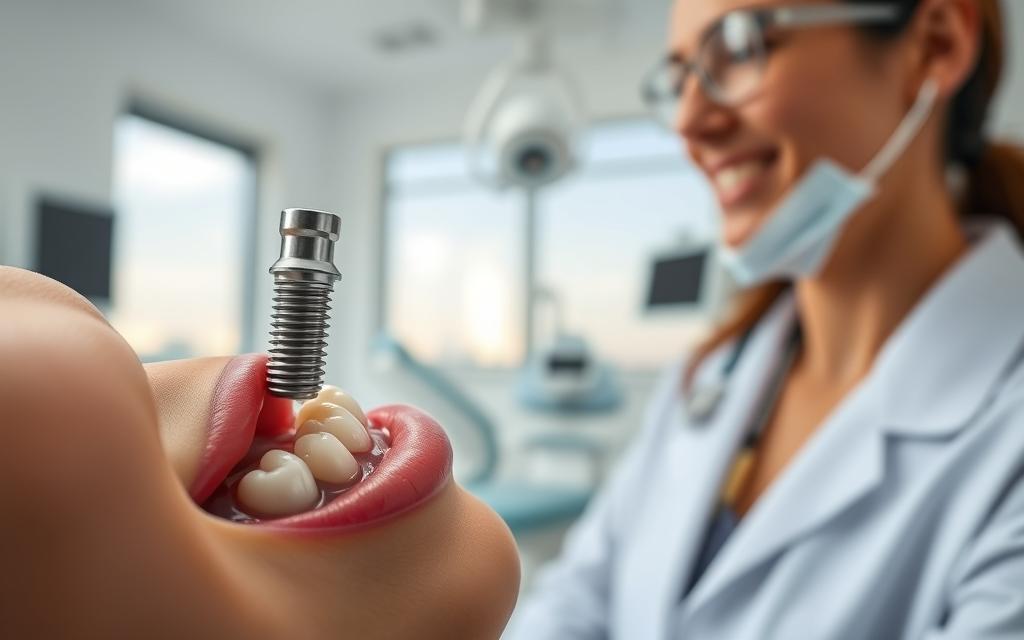
Affordable Dental Implants in Mexico Costs & Benefits
- 2025-11-23 17:19:02
- Dental Tourism in Mexico
Affordable Dental Implants in Mexico: Costs & Benefits
We’re here to guide you through an affordable, high‑quality option for restoring your smile. U.S. patients often save 50%–80% by choosing care across the border, especially in Los Algodones (Molar City).
Many clinics use FDA‑approved materials, ADA‑level training, ISO sterilization, and in‑house CAD/CAM labs. That means you can get reliable work without sacrificing safety.
Typical figures help set expectations: a standard titanium dental implant may run around $750 in Los Algodones versus about $3,000 in the U.S., and All‑on‑4 pricing often shows big savings too. Most treatments follow a two‑visit process: surgery, then a follow‑up after healing to place the final restoration.
We walk beside you to explain what’s included in quotes, which add‑ons can change totals, and how to plan travel and recovery. This introduction previews a patient‑first roadmap so you can compare options and choose care with confidence.
Key Takeaways
-
Expect major savings and clear benchmarks for comparison.
-
Los Algodones offers convenient border access and many experienced clinics.
-
Many providers use FDA brands, ISO sterilization, and provide warranties.
-
Treatments usually require two visits with a healing period in between.
-
We focus on transparent planning so surprises are minimized.
At a glance: What U.S. patients save with dental implants in Mexico
Seeing common fee examples side‑by‑side makes savings easy to understand. Below we summarize typical U.S. versus Mexico prices so you can quantify savings without hunting multiple tabs.
Typical price range and average savings
Standard titanium implant: about $3,000 in the U.S. vs roughly $750 in Mexico — roughly 75% off. A PFM crown runs near $900 vs $199, and a zirconia crown is about $1,170 vs $450.
Where the biggest savings stack up
Single implants, multi‑unit crowns, root canals, and full‑arch solutions deliver the most value. All‑on‑4 per arch averages ~$14,220 U.S. vs ~$8,900 in Mexico — a savings of about $5,320.
Practical notes: Expect ~70%–80% off a single implant and ~35%–40% off an All‑on‑4 arch in Los Algodones. Many clinics offer same‑day consults and one‑day border hop appointments for scans and itemized plans. We help you convert percentages into dollars so you can budget whether to drive or fly.
Dental implants Mexico cost: real prices and what’s included
Breaking a treatment plan into parts makes price comparisons simple and fair. We list typical line items so you can compare apples to apples when evaluating a quote.
Line‑item breakdown
Typical single‑tooth quotes separate the implant post, abutment, final crown, and surgical fees. In Los Algodones a standard titanium implant post is about $750. A PFM crown runs roughly $199, while a zirconia crown is near $450.
Add‑ons that change the total
When jawbone height or density is low, you may need bone grafts or sinus lifts. Expect a bone graft at about $600 and a sinus lift around $700 per side. Simple extraction is often $50; wisdom tooth removal about $180.
What most clinics include: digital X‑rays and local anesthesia are usually in surgical fees. The usual process is two visits: implant surgery, then 10–12 weeks of healing before abutment and crown placement.
Ask for an itemized treatment plan that shows brands, lab fees, and warranties. That checklist reduces surprises and helps you compare true prices across clinics for a confident decision.
Dental implants cost USA vs Mexico: apples‑to‑apples comparison
Seeing identical procedures priced in both countries removes surprises and highlights real savings. We compare like‑for‑like: same implant category, same crown type, and the same likely add‑ons so you get a fair picture.
Standard titanium implant vs U.S. average
Standard titanium implant: about $750 in Mexico vs roughly $3,000 in the U.S. That gap reflects clinic overhead and lab fees more than clinical quality.
Full‑arch (All‑on‑4) comparison
All‑on‑4 per arch: roughly $8,900 in Mexico vs about $14,220 in the U.S. Per‑arch savings often matter most when evaluating full‑mouth plans.
Don’t forget add‑ons: a sinus lift runs about $700 per side in Mexico vs ~$3,120 in the U.S.; a bone graft is about $600 vs $810. Crowns (PFM vs zirconia) also shift totals—PFM often costs near $199 south of the border vs $900 north of it.
We recommend a simple worksheet: list the implant, abutment, crown type, and likely grafts. Then multiply by the clinic’s unit prices. That gives a true apples‑to‑apples estimate and shows how volume in Los Algodones compresses per‑unit prices without cutting materials or sterile procedure standards.
Why Mexico is cheaper without cutting quality
When clinics run on pesos and treat many patients each day, per‑unit pricing falls without lowering standards. We want you to understand how that works so you can choose care confidently.
Lower overhead and bulk purchasing in Molar City
Rent, utilities, and wages are lower in working border towns. That reduces fixed clinic expenses and lets providers buy brand‑name components in bulk.
Bulk purchasing and in‑house labs cut lab fees per unit. The savings go straight to patients, not to resort‑city markups.
No insurance middlemen and high treatment volume
Most clinics use direct pay. That removes insurance admin costs and keeps pricing transparent.
High daily volume also improves efficiency. Shorter waits, steady schedules, and smart workflows mean you get timely care and consistent results.
"Affordable quality comes from scale, not shortcuts—materials, sterilization, and training meet U.S. benchmarks."
Bottom line: Lower local expenses, bulk buying, and direct billing explain lower prices while maintaining quality, warranties, and safe care in trusted clinics.
Mexico dental clinics: standards, materials, and warranties
Leading border clinics follow the same continuing‑education standards as U.S. practices and document staff credentials clearly. We look for clinics that list ADA‑level memberships and ongoing training for their teams.
Materials and brands matter: many top clinics use FDA‑approved systems such as Nobel Biocare and Straumann. Sticking with known brands helps protect long‑term outcomes and makes replacement parts predictable.
Sterilization is non‑negotiable. ISO‑certified sterilization cycles with traceable logs are standard at reputable clinics. Ask to see sterilization records and instrument tracking for your procedure.
Written warranties and lab control: clinics commonly provide written warranties on posts, crowns, and bridges. In‑house CAD/CAM labs speed turnaround and reduce lab errors, so ask whether same‑day restorations are possible.
Questions to ask a clinic
Which implant brands do you use? Can you show sterilization logs? Is the lab in‑house, and what warranty do you offer?
"We recommend asking for itemized warranties and documented sterilization to make an informed choice."
Dental implants Los Algodones: the border town advantage
Los Algodones sits a short walk from the Andrade crossing, so many U.S. patients plan a quick, efficient visit.
Five‑minute hop via Andrade‑Algodones crossing
Park on the U.S. side, stroll across, and you can be in a clinic row within five minutes. Many clinics offer same‑day consults, 3D scans, and printed, itemized plans.
Why Algodones beats resort cities on price and convenience
Lower rent and high treatment volume keep local prices down. Algodones is a working town, not a resort, so clinics pass savings to patients without sacrificing brands or sterile protocols.
What U.S. travelers can expect on arrival and same‑day consults
Expect English‑speaking coordinators, clear check‑in, and a short medical history review. You’ll usually get a scan, a consultation with the dentist, and an itemized plan that lists any implant or graft needs.
"Walk in, get scanned, and leave with a clear plan — many people find the one‑day consult very reassuring."
Practical tips: pack a valid passport, time your trip for minimal downtime, and consider nearby lodging such as Hacienda Los Algodones if you want to stay overnight.
Dental tourism Mexico: planning your trip like a pro
Plan your visit like a pro: a clear timeline and smart logistics make the trip smooth. We lay out a simple two‑visit schedule so you know what to expect and when to book time off work.
Two‑visit timeline
Visit one: surgery day with scans and CBCT imaging to assess jawbone and plan the implant placement precisely.
Healing period: expect about 10–12 weeks for osseointegration; this is when the bone fuses to the post.
Visit two: return in 3–4 months for abutment and final crowns or bridges. That sequence reduces complications and improves long‑term outcomes.
Travel logistics
Bring a valid passport and plan your crossing time to avoid peak hours. Many patients prefer early weekday crossings for shorter lines.
Choose lodging near the clinic to reduce travel time on procedure days. English‑speaking coordinators often help with local transport and simple check‑ins.
All‑in packages and coordination
All‑in packages often bundle transport, lodging, transfers, and clinic coordination. They can save time and reduce stress when a team manages appointments and follow‑ups.
Worth it? Packages are ideal if you want door‑to‑door support, printed treatment plans, and help scheduling your return visit.
"CBCT imaging is crucial — it shows bone volume and angles so the surgeon can plan the procedure with confidence."
Packing checklist: passport, insurance card, payment method, list of meds, and a small recovery kit. We recommend confirming payment terms and warranties with the clinic before you travel.
Treatment timelines: surgery to smile
We want your trip and recovery to be predictable. Most people follow a simple schedule: placement surgery, a healing phase, then a return visit for the final restoration.
Osseointegration and healing: 10–12 weeks on average
Osseointegration is the bone growing around the post so it becomes part of your jaw. That usually takes about 10–12 weeks of steady healing.
Normal signs after surgery include mild swelling, tenderness, and light bruising. Most patients resume light activity within a few days and avoid heavy lifting for a week.
When to return: 3–4 months for crowns or bridges
Plan your second visit about 3–4 months after surgery. That’s when the dentist takes impressions and places abutments and final crowns or bridges.
Your jawbone quality can add time. If bone grafting was needed, healing may take longer before impressions are safe.
Home-care tips: gentle rinses, soft foods, no smoking, and follow meds and instructions. These steps keep healing on track and protect nearby teeth.
"Most patients heal in about three months; patience during healing helps secure long-term success."
Implant systems and materials: match biology and budget
Choosing the right system and material helps match biology, budget, and long‑term performance. We look at common premium names, basic materials, and specialty options so you can discuss real choices with your team.
Brands and basics: Nobel Biocare and Straumann are widely used for their global parts support and documented outcomes. Many clinics also offer reputable value lines that still meet clinical standards.
Titanium, zirconia, and zygomatic options
Titanium remains the workhorse for strength and predictable osseointegration, while zirconia offers a metal‑free alternative for esthetics. For severe upper‑jaw bone loss, zygomatic implants provide a solution that avoids repeated grafting.
Choosing abutments and crowns: zirconia vs PFM
CAD/CAM abutments and crowns improve fit and speed. Zirconia crowns look natural and resist staining. Porcelain‑fused‑to‑metal (PFM) crowns can cost less and deliver durable strength for back teeth.
Ask your clinic: which brands they stock, if CAD/CAM is in‑house, what warranties cover parts, and whether components match systems used back home.
"Match material to your bite, smile goals, and how many months you can wait for healing."
Bottom line: premium systems are worth the upgrade for complex arches or high bite forces. For many patients, reputable value lines with CAD/CAM crowns give excellent quality at a lower price. Discuss parafunction, arch needs, and long‑term maintenance with your clinician so the chosen plan fits your life.
Full‑arch options: All‑on‑4, All‑on‑6/8, and snap‑in dentures
Full‑arch restorations give clear pathways for patients who need all teeth in one arch replaced. We compare fixed bridge systems to removable overdentures so you can pick what fits your lifestyle and budget.
Same‑day provisionals and the 4–6 month definitive timeline
Many clinics place a same‑day provisional bridge at surgery so you leave with working teeth. This provisional protects the sites while osseointegration proceeds during healing.
Definitive porcelain bridges are fitted after about 4–6 months. That extra time lets bone fuse to the posts and ensures a stronger long‑term restoration.
Choosing All‑on‑4 vs All‑on‑6/8 vs snap‑ins
All‑on‑4 is a common, cost‑effective fixed option; in Los Algodones an All‑on‑4 arch averages about $8,900 vs ~$14,220 in the U.S. Adding implants (6 or 8) can help if bone is soft or bite forces are high.
Snap‑in overdentures with two implants start near $3,430 in Mexico vs ~$8,850 in the U.S. They offer easier hygiene and lower upfront price but feel different from fixed bridges.
Maintenance: cleanings, water‑flossers, and replacing locator caps
Home care matters. We recommend regular hygiene visits and a water‑flosser to keep under‑bridge areas clean.
Locator caps or screw access parts wear over time and usually need replacing every few years. Simple upkeep keeps crowns and the arch functioning longer.
"Choose the arch count and system that match your bite, bone, and daily life — same‑day teeth are great, but the definitive bridge secures long‑term success."
Cheap dental implants USA vs affordable dental care in Mexico
C price tags tell part of the story; brand names, lab precision, and surgeon skill fill in the rest. We want you to compare value, not just the number on a quote.
Price vs value: materials, lab work, and clinician expertise
Compare more than the sticker price. Factor in brand parts, in‑house CAD/CAM precision, and the clinician’s training when you evaluate a treatment plan.
Cheap stateside offers can hide compromises: lower‑grade components, offsite labs, or weak warranties. That affects long‑term results and replacement options.
How Mexico achieves affordable quality: lower overhead, high patient volume, bulk purchasing, and ISO sterilization—so top clinics deliver FDA‑approved materials and skilled teams at lower prices.
"Value comes from transparent brands, clear imaging, and reliable follow‑up — not just a low number."
Quick checklist to evaluate value: imaging and CBCT, brand transparency for posts and crowns, in‑house lab or CAD/CAM, itemized warranties, and clear post‑op follow‑up. Use this to align your budget with the best long‑term smile outcome.
Budgeting your total trip cost
A clear budget turns a medical trip into a manageable itinerary. Start by listing the treatment fees, travel, lodging, meals, and any days off work you’ll need.
Treatment + travel: flights/driving, lodging, meals, time off
Typical line items include about $750 for a standard implant, $199–$450 for crowns, $50–$180 for extractions, $600 for a bone graft, and $700 per side for a sinus lift.
Also add flights or gas, nights at nearby hotels (Hacienda Los Algodones or places in Yuma, AZ), meals, and a cushion for one or two recovery days. Some clinics offer transport and all‑in packages that bundle lodging and transfers to save hassle.
How to get a precise quote before you go
Ask clinics for an itemized estimate with brand names, lab fees, and warranty terms. Request scenarios: with and without a bone graft or sinus lift so you see best‑ and worst‑case totals.
We recommend tracking multiple quotes side‑by‑side in a simple table: clinic, total price, included transport, lodging help, and required return day. That gives a true apples‑to‑apples comparison when you plan your trip.
"Add treatment, travel, and time‑off into one clear total so surprises stay small and recovery stays smooth."
Paying and insurance: how reimbursement can work
Handling payment up front gives you control and speeds insurer reimbursement when you return home. Most patients pay the clinic directly in USD or pesos, so confirm the preferred method before your visit.
Call your plan before travel. Ask which CPT or CDT codes they accept and whether a pre‑treatment estimate is needed. That step prevents denied claims later.
What paperwork U.S. insurers may require for out‑of‑network claims
Common documents include a signed pre‑treatment estimate, itemized receipts stamped "paid in full," and post‑treatment X‑rays or CBCT scans. English‑speaking coordinators at many clinics will compile these for you.
Submission steps and timelines: get copies, scan receipts, submit the claim online or by mail, and follow up at 6–8 weeks. Some insurers pay faster; others take longer.
Practical tips: avoid foreign transaction fees by asking for a USD invoice or using a card with no FX fees. Keep both paper and digital folders for receipts, records, and the clinic’s contact info.
"Organized paperwork and a quick pre‑call to your insurer cut delays and increase the odds of smooth reimbursement."
How to choose a clinic: red flags and green lights
Choosing the right clinic starts with clear documentation and open answers to basic questions. We walk beside you and list the simple checks that separate trustworthy providers from risky ones.
Verify brands, imaging, sterilization, and specialist credentials
Ask which brands the clinic uses—Nobel Biocare or Straumann are strong signals of supply transparency. A good clinic lists parts and shows packaging if you ask.
Request recent CBCT scans and digital X-rays so a dentist can explain the plan. Insist on ISO‑tracked sterilization logs and proof of specialist training for surgical cases.
Reading reviews and comparing detailed treatment plans
Compare two plans line by line: components, lab work, warranty length, and follow‑up visits. That shows real differences beyond a headline price.
Read patient reviews for consistent themes: clear communication, on-time visits, and lasting results are green lights. Beware of repeated complaints about vague pricing, no imaging, unknown brands, or missing warranties.
"Ask to see before‑and‑after cases for similar procedures to confirm the clinic's experience and outcome quality."
Quick vetting checklist: verified brand names, digital imaging, sterilization records, specialist credentials, itemized plan, and a written warranty. If a clinic hesitates on any of these, consider it a red flag.
Dental work abroad beyond implants: when to bundle care
Bundling multiple procedures during one trip can save time and reduce overall travel. We walk with you through practical choices so fewer visits still mean safe, predictable healing.
Combine crowns, veneers, root canals, and extractions when treatment plans overlap. A PFM crown runs about $199 and a zirconia crown near $450, while a root canal is often ~$199 and a simple extraction about $50. Wisdom tooth removal averages $180, so grouping these with an implant visit can cut trip counts and streamline lab scheduling.
Sequencing matters: extract infected teeth first when necessary, graft to preserve the jawbone when indicated, or opt for immediate placement only if the site and health allow. That preserves bone and reduces later graft needs.
We help you consolidate lab work so crowns and veneers match in shade and fit. Prioritize teeth that cause pain or affect chewing first, then plan staged restorations to finish the smile reliably.
"We recommend an itemized plan showing which procedures are bundled, which need separate healing time, and how lab timing affects your return visits."
Conclusion
In short, smart planning turns cross‑border care into an affordable path to a lasting smile.
Expect clear wins: a standard titanium implant near $750 in Los Algodones versus about $3,000 in the U.S., and an All‑on‑4 arch around $8,900 versus $14,220. Leading clinics use verified brands, ISO sterilization, in‑house CAD/CAM, and written warranties to protect your restoration.
Plan two visits: surgery, then a 10–12 week healing period with a 3–4 month return for final work. Use the comparison and budgeting sections to finalize numbers before you book.
Choose confidently: follow the clinic‑selection checklist, confirm imaging and brand transparency, and prioritize your health and function. We walk beside you so affordable quality and a secure smile are within reach on your trip.
FAQ
How much can U.S. patients typically save by getting implants in Mexico?
You can often save 50–75% compared with U.S. prices. Single titanium posts with a crown commonly run around $700–$900 in Mexico versus $2,500–$4,000 in the U.S. Full‑arch All‑on‑4 packages frequently show the largest dollar savings. Exact savings depend on procedures needed, materials, and the clinic.
What does a typical price quote include in Mexico?
A transparent quote should list the implant post, abutment, lab‑made crown, surgical fees, and any imaging (CBCT/x‑rays). Many clinics bundle surgeon and restorative fees and may include a provisional tooth. Ask for line‑item detail so you can compare apples to apples.
Which add‑on procedures increase the total price?
Bone grafts, sinus lifts, extractions, ridge augmentation, and graft membranes raise costs and can extend treatment time. Complex cases may also require CBCT planning, guided surgery, or additional specialist visits—each adds to the final price.
How do Mexico prices compare directly to U.S. fees?
Standard titanium implants often cost about $700–$900 in Mexico versus roughly $2,500–$3,500 in the U.S. An All‑on‑4 arch can be about $8,000–$10,000 in Mexico compared with $12,000–$18,000 stateside. Those are typical ranges; check current clinic quotes for specifics.
Why are prices lower in border towns like Los Algodones?
Lower overhead, high patient volume, bulk purchasing of implants and materials, and lean staffing models reduce clinic costs. Proximity to the U.S. also creates competition among many providers, which helps keep prices affordable without lowering clinical standards.
Are materials and training in Mexican clinics up to international standards?
Many clinics use FDA‑approved implant brands like Nobel Biocare and Straumann and maintain ISO‑level sterilization. Many dentists have U.S. or European training and use in‑house CAD/CAM labs for faster, precise restorations. Always verify credentials and brand names on your quote.
What should I expect when crossing the border for treatment in Los Algodones?
The Andrade‑Algodones crossing is quick for most visitors. Clinics often provide pickup details and same‑day consults. Expect to show a passport, schedule appointments in advance, and allow time for recovery before returning home if you had surgery.
How many visits do I need to complete treatment?
Many procedures follow a two‑visit model: one visit for surgery and placement, then a healing period (osseointegration) of about 10–12 weeks, followed by a second visit to place the permanent crown or bridge. Some full‑arch cases include same‑day provisionals and later definitive restorations.
What is the typical healing timeline after implant surgery?
Most patients reach stable osseointegration in 10–12 weeks, after which crowns or bridges are placed. Complex grafts can extend healing to 4–6 months. Your clinician should give a personalized timeline based on bone quality and procedures performed.
Which implant systems and materials are commonly offered?
Reputable clinics offer well‑known systems like Nobel Biocare and Straumann, and choices between titanium and ceramic (zirconia) implants. For crowns, options include zirconia and porcelain‑fused‑to‑metal. Ask which brands the clinic uses and why.
What full‑arch options are available and how do they differ?
Common options include All‑on‑4, All‑on‑6/8, and overdenture systems with locator or snap‑in attachments. All‑on‑4 often offers faster provisionalization with fewer implants; All‑on‑6/8 gives extra support. Maintenance varies—locator caps wear and need periodic replacement, while fixed bridges require routine care.
How should I budget for the full trip, not just treatment fees?
Factor in flights or driving, border fees, lodging, meals, local transport, and time off work. Many clinics offer all‑in packages that include transfers and hotels. Ask for a total cost estimate so you can compare value, not just price per tooth.
Can U.S. insurance reimburse treatment done in Mexico?
Some out‑of‑network plans may reimburse part of the cost if you submit itemized invoices and procedure codes. Policies vary widely—check with your insurer beforehand and obtain detailed receipts and documentation from the clinic.
How do I choose a trustworthy clinic—what are the red flags?
Green lights are verifiable implant brands, CBCT imaging, written warranties, published credentials, and clear before‑and‑after photos. Red flags include vague pricing, lack of written treatment plans, no sterilization information, and pressure to book immediately without proper evaluation.
Is it smart to combine other dental care with implant treatment?
Yes—bundling crowns, root canals, extractions, or cosmetic work can increase savings and reduce repeat travel. Ensure the clinic coordinates sequencing properly so restorative and surgical teams work together on your comprehensive plan.
How can I get a precise quote before traveling?
Send recent intraoral photos and a CBCT or panoramic x‑ray to clinics for a virtual consult. Request a detailed, itemized quote that names brands, lab work, and any warranties. We recommend comparing at least two clinics and reviewing patient testimonials.