English
 Arabic
 Turkish
 French
 Russian
 German


Affordable Dental Care In Mexico
- 2025-11-29 11:40:25
- Dental Tourism in Mexico
Looking for affordable quality care without sacrificing standards? We walk beside you through clear comparisons of cost, timelines, and safety so you can decide with confidence.
Expect major savings: many U.S. patients report 50%–85% lower fees on procedures. For example, All-on-4 runs about $8,100–$8,900 per arch versus much higher U.S. prices, and veneers often cost $130–$500 per tooth compared with several times that back home.
We’ll show how leading clinics across border towns, beach cities, and inland centers combine modern tech, FDA-approved materials, and trained teams to keep quality high. Los Algodones, known as “Molar City,” hosts 500+ providers just steps from the Andrade border.
Practical details matter: implants often need two visits with 3–6 months healing, and peak border hours can add time—many clinics offer shuttles or suggest parking on the U.S. side and walking across.
Key Takeaways
-
Save 50%–85% on major procedures while keeping strong quality standards.
-
Compare cost, timeline, and clinic credentials before you book.
-
Popular destinations include Los Algodones, Tijuana, and Cancún; travel tips cut stress.
-
Implants commonly require two visits and a 3–6 month healing window.
-
Bring documentation for insurance reimbursement; clinics often help with paperwork.
Why Americans Choose Mexico for Dental Work Right Now
Many U.S. patients are choosing cross-border care to cut costs without losing quality. Typical savings run 50%–85% versus the united states, so complex treatments can become affordable with no sacrifice to standards.
Big-picture savings versus the United States
Lower overhead, competitive pricing, and high procedure volume drive down cost. Clinics use FDA-approved materials and ISO sterilization to protect patients. This combination keeps prices low while supporting good outcomes.
Modern clinics, experienced teams, and convenient access
Many dentists have U.S. or EU training and work with English-speaking staff. Clinics offer digital imaging, CAD/CAM milling, and on-site labs. That streamlines care and improves the patient experience.
"We see faster bookings because patients want clear estimates and predictable timelines."
Border locations matter: Los Algodones hosts 500+ dentists minutes from the Andrade crossing, and Tijuana sits about 10–15 minutes from San Ysidro. Public transit, shuttles, and U.S. parking options make travel straightforward.
How Much You Can Save: Prices vs. U.S. (Present-Day Snapshot)
We’ll lay out present-day price ranges for common treatments and side-by-side U.S. averages so you can plan with confidence.
Typical procedure ranges
Single implant: about $750–$1,000 versus roughly $3,000–$4,500 in the U.S.
Porcelain veneers: $130–$500 per tooth compared with $900–$2,000 back home.
Zirconia crowns: $300–$450 vs. about $1,170 on average in the U.S.
Molar root canals: roughly $199–$446 versus $900–$1,400 in U.S. practices.
Full-mouth and All-on-4 comparisons
All-on-4 per arch: around $8,100–$8,900, compared to typical U.S. ranges of $14,000–$24,000+ per arch.
That gap can mean thousands saved per arch, making full-mouth rehabilitation far more attainable for many patients.
Why costs are lower without cutting quality
Lower rent, bulk purchasing, and high case volumes reduce overhead. Clinics often run on-site labs and use CAD/CAM to speed up care.
Importantly, reputable providers use FDA-approved materials and follow ISO sterilization, so savings reflect efficiency—not lower standards.
"Transparent price lists and clear treatment plans make budgeting simple for U.S. patients."
Choosing Your Destination: Border, Beach, or Inland Clinics
Certain locations suit quick visits while others fit longer treatments or restful recovery. We’ll map border, beach, and inland choices so you can match travel style with treatment goals.
Border towns for same-day access
Border cities like Los Algodones near Andrade/Yuma, Tijuana near San Diego, Juárez by El Paso, and Nogales by Tucson let many patients make same-day trips.
Most clinics sit minutes from crossings. That proximity lowers travel costs and shortens turnaround for multi-visit care.
Beach hubs for a recovery-friendly visit
Cancun, Playa del Carmen, Los Cabos, and Puerto Vallarta pair services with resort stays. Many travelers combine treatment and rest.
Note: watch coastal weather—hurricane season peaks in September–October and can affect timing.
Mainland cities for high-end clinics
Mexico City, Guadalajara, Mérida, and Tulum host advanced clinics with English-speaking staff and on-site labs. These locations offer year-round access and broad services.
What to look for: shuttles, on-site labs, clear warranties, and transparent treatment plans. We recommend choosing a destination that fits your schedule, comfort level, and follow-up needs.
Spotlight on Los Algodones (Molar City): Fast, Affordable, and Close to Arizona
Los Algodones is a compact hub where hundreds of practices cluster just across the Andrade crossing. About 120,000 Americans and Canadians visit yearly, and that steady flow keeps prices competitive and turnaround fast.
Why a concentrated market matters
With 500+ dentists in town, clinics compete on price, service, and speed. High case volumes let teams buy materials in bulk and build deep experience across common treatments.
The simplest route: drive, park, walk
The easiest way is to drive to Andrade, park on the U.S. side, and walk across. Most clinics sit within a few blocks, and many offer shuttles and English-speaking coordinators to guide your visit.
When same-day work makes sense
Same-day crowns via CAD/CAM, cleanings, and selective extractions are realistic here. For larger procedures, proximity to Arizona makes follow-ups and multi-visit care easier for the U.S. patient.
Tip: arrive before peak return lines, request a written treatment plan and warranty, and confirm FDA-approved materials and sterilization protocols to ensure safe, reliable care.
Dental Implants and All-on-4: Costs, Brands, and Healing Timelines
Choosing implants and full-arch systems means weighing brand, healing, and clear cost estimates. We walk beside you through realistic figures and timelines so you can plan travel and recovery with confidence.
Standard, Straumann, and Nobel Biocare options
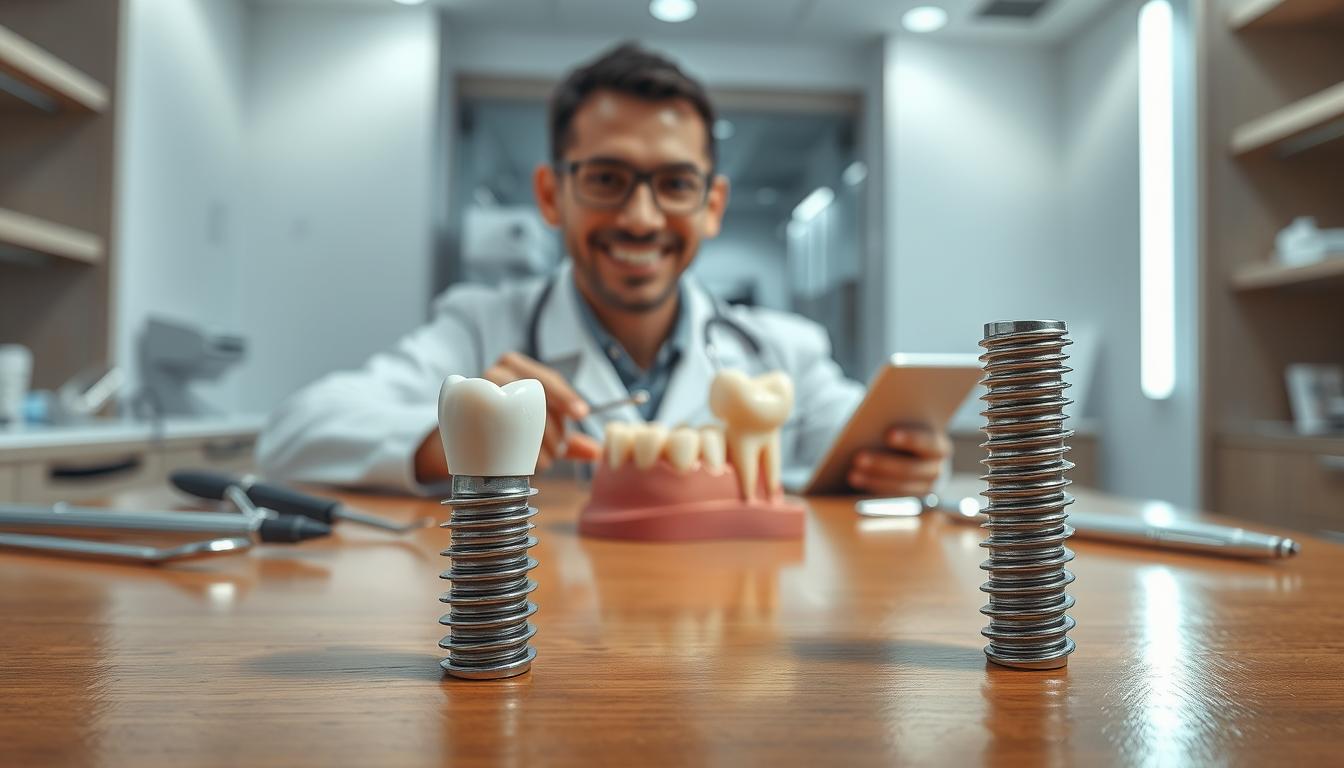
Standard titanium implants typically run about $750–$1,000. Straumann models often start near $950+, and Nobel Biocare sits around $1,000+ per implant.
Match budget and biology: reputable brands give consistent results, while standard implants keep cost lower for many patients.
Two-trip schedule and healing windows
Most treatments follow a two-visit plan: surgical placement, then a waiting period of about 3–6 months for osseointegration.
Many clinics deliver a same-day provisional so you leave with teeth. The final porcelain or zirconia bridge is fitted after healing.
All-on-4, -6, and -8: stability and prostheses
All-on-4 per arch averages $8,100–$8,900. Adding implants (All-on-6 or -8) increases stability, especially in softer bone, and raises cost accordingly.
Provisional vs. final: provisionals offer immediate function; definitive bridges come later for durability and esthetics.
When grafts or sinus lifts add time and cost
Bone grafts usually cost about $184–$600; sinus lifts range roughly $350–$1,587. These procedures extend healing and can add weeks to months to your schedule.
Tip: clinics with on-site labs often shorten visits and help keep your overall time and cost lower. Always ask for a written plan with line-item costs to protect your smile investment.
"Get a clear treatment timeline and itemized estimate before you book travel and lodging."
Crowns, Veneers, and Bridges: Materials, Same-Day Options, and Longevity
The right restoration balances appearance, durability, and the time you’ll spend at the clinic. We compare common materials, same-day technology, and realistic lifespans so you can decide with confidence.
PFM, zirconia, and E-max: choosing the right material
PFM (porcelain-fused-to-metal) is budget-friendly—typical fees run near $199 per crown—and offers solid strength for back teeth.
Zirconia blends strength and esthetics; expect about $300–$450 per crown. It's a top choice for durability and natural look.
E-max veneers and crowns provide high translucency for front teeth and cost roughly $130–$500 for veneers.
CAD/CAM same-day crowns and when they’re possible
CAD/CAM tech can produce same-day crowns when the bite is stable and tooth prep is straightforward. On-site labs speed turnaround and reduce visits.
If complex occlusion or multi-layered esthetics are needed, a short lab turnaround may yield better long-term results.
Expected lifespan with proper care
With good hygiene and routine checkups, zirconia or porcelain restorations often last 10–15 years or more.
Tip: favor conservative prep to keep tooth strength, request written warranties, and follow aftercare to extend the service life of your work.
"Ask your clinic for an itemized plan, material brand names, and a written warranty before any procedure."
Dentures and Snap-in Solutions: Budget to Premium Paths to a New Smile
If you’re weighing stability versus budget, denture pathways range from simple plates to implant‑retained snap‑ins.
Full and partial plates remain the most affordable route: expect about $350 per full arch and roughly $480 for a partial. They’re quick, often same‑day provisionals, and let many patients restore function fast.
Snap‑in overdentures bridge comfort and security. Two‑implant overdentures average ~$3,430; three‑implant setups run near $4,180. Provisional teeth often come same day, with final prostheses after 4–6 months of healing.
Care, maintenance, and replacement parts
Daily hygiene matters: soft brushes, water flossers, and nightly soaking keep tissues healthy. Plan annual professional cleanings at your home dentist.
Wear items include locator caps and screws. These parts need periodic replacement; ask clinics about expected intervals and part costs before you travel.
Timing, anatomy, and clinic staging
Bone quality and jaw anatomy guide how many implants you’ll need for long‑term comfort. Clinics often stage appointments to reduce days on site—surgical placement first, a provisional set, then a definitive prosthesis after osseointegration.
Questions to ask: What is the itemized cost? What brand of implant is used? Is a written warranty offered? Who handles post‑op follow‑up if you return home?
"Get a clear, itemized plan and warranty so you leave confident in both fit and follow‑up."
Root Canals and Extractions: Quick Relief, Lower Cost
Simple extractions and root work often fit into a single-day schedule. A molar root typically takes about 60–120 minutes and can stop severe pain fast.
Typical chair time, comfort, and retreatment considerations
Expect a molar root visit to run 60–120 minutes; fees generally fall near $199–$446. A simple extraction often costs about $50, while an erupted wisdom tooth runs near $180. These figures show how much less you may pay for urgent care and dental work.
Anesthesia keeps most patients comfortable. Mild tenderness is normal; OTC pain relief usually manages it. Retreatment success after a flare runs about 70%–80%, and your dentist will outline next steps if symptoms return.
When immediate implants are feasible after extraction
Immediate implant placement is possible when infection is absent and bone looks healthy. If infection exists, many clinics wait about 8–10 weeks to allow healing. Your dentist evaluates bone, bite, and infection before advising timing.
Aftercare tips: rest, avoid chewing on the site, use soft foods, and follow salicylate-free rinses as directed. Keep itemized receipts, X-rays, and procedure notes for insurance claims. Contact the clinic if you see swelling, fever, or severe pain—those are red flags that need prompt attention.
dental tourism options in mexico: Matching Your Needs to the Right Clinic
Finding the right clinic starts with matching your treatment goals to a team that has the right technology and workflow. We help you focus on what matters: clear timelines, verified protocols, and predictable costs.
Technology, on-site labs, and English-speaking staff
Look for clinics that list CAD/CAM, guided-surgery planning, and 3D imaging. These tools speed care and improve fit for crowns, bridges, and implants.
On-site labs cut visits and lower the risk of communication errors. English-speaking coordinators simplify booking, consent, and follow-up for every patient.
Treatment mix, case volume, and lab partners
High case volume in hubs often signals efficiency and stable pricing. A clinic that works with reputable lab partners usually shows consistent esthetic results and shorter turnarounds.
Before you book, ask for a written treatment plan, itemized fees, warranty terms, and examples of similar cases the team has handled. That checklist helps you weigh convenience versus specialization when choosing among top options.
Quality and Safety Standards: What to Expect in Top Clinics
Top practices show clear, verifiable markers so you can choose with confidence. We walk beside you to spot the credentials that matter and explain why they protect your smile.
Credentials and materials
Look for ADA membership, named implant systems like Straumann or Nobel Biocare, and a licensed dentist who explains brand choices. These signals tie local care to global standards.
Sterilization and traceability
Top clinics follow ISO sterilization and log instrument cycles for full traceability. That documented routine reduces risk and keeps procedures consistent across operatories.
Written plans, warranties, and documentation
Insist on a written treatment plan, signed consents, and clear warranty terms for crowns, bridges, and implants. Good teams list what is covered, typical warranty periods, and post-op steps.
"Ask for itemized paperwork and brand names before you book travel or treatment."
Tip: proper records help patients file out-of-network insurance claims and make follow-up smoother. Trustworthy clinics are transparent about lab partners, maintenance schedules, and recent continuing education to show real experience with modern services and long-term care.
Travel Logistics from the United States: Crossing by Car, Shuttle, or On Foot
Timing your crossing and knowing required documents makes short visits smooth. Plan to avoid peak border hours (6–10 a.m. and 4–8 p.m.) and check CBP for live wait times before you travel.
Documents and free-zone rules
Carry a passport or passport card and your driver’s license. If you drive, bring vehicle registration and Mexican auto insurance unless you park on the U.S. side.
Tip: many clinics sit inside a free zone near crossings where no tourist permit (TIP) is needed for short visits.
Parking, shuttles, and walking across
Parking on the U.S. side and walking across saves you the need for foreign auto coverage. Clinics often offer shuttles; use them if you prefer door‑to‑door service or have limited mobility.
Public transit to Tijuana and return timing
The San Diego trolley (Blue Line) drops you at San Ysidro for an easy pedestrian entry to Tijuana clinics. Allow extra time for returns—plan a comfortable buffer after services or lab work.
Final note: get an itemized treatment plan before you go, coordinate pickups with your clinic, and add 60–90 minutes to travel time when scheduling multiple visits.
"Check CBP wait times and carry the right documents to keep your visit efficient and stress-free."
Where to Stay in Cancun: Current Hotel Deals and What They Include
When planning a care-focused stay in Cancún, the right hotel can ease recovery and lower your total trip cost. Below we list beachfront, lagoon-side, and downtown picks that often partner with clinics and offer patient-friendly packages.
Beachfront and lagoon-side options with special rates
Krystal Cancun, Beachscape Kin-Ha, and Casa Maya offer direct-booking rates that may include all‑inclusive or B&B plans. Expect a sanitation fee at check-in; it’s rarely included in the advertised cost.
Lagoon and partial-ocean stays
Canopy by Hilton and Aloft give lagoon access and perks like open-bar windows (11 a.m.–11 p.m.) and Mandanda Beach Club entry. Casa Tortugas sometimes grants a 10% discount when booked through clinic coordinators.
Downtown business-class hotels
For shorter commutes to clinics, consider Bonampak (continental breakfast), Fairfield Inn (buffet), or Wyndham Garden (buffet breakfast). These locations reduce travel time for follow-up care and lab visits.
Tip: confirm any clinic-linked discount before booking. Pick a location based on commute, walkability, and recovery needs—quiet rooms, blackout shades, and room service help after procedures. Book early in peak season to lock best rates and availability for your visit.
Paying for Treatment: Cash, Cards, Transfers, and Financing
We help you pick payment paths that keep your budget steady and let the clinic confirm your appointment quickly. Clear payment planning reduces last-minute stress and keeps timelines predictable.
Common methods and typical fees
Accepted methods include cash (USD or MXN), credit/debit cards, bank transfers, and PayPal. Card and bank processors usually add about 2%–5%; PayPal tends to be lower, around 1%–3%.
When cash makes sense: paying cash avoids processing fees and can speed same‑day work. Declare any cash over $10,000 at entry per rules to avoid issues.
Transfers, timing, and confirmations
Bank transfers can take 24–72 hours. Ask the clinic to confirm receipt before your appointment to avoid delays. Keep screenshots or a transfer receipt for your records.
Third‑party financing and budgeting
Some facilitators and clinics partner with lenders for patient financing. Ask about interest, loan length, and total repayment so you can compare true cost. Use a written pre‑treatment estimate to support any credit application.
Practical tips to protect your wallet
Get an itemized, signed estimate that lists deposits, reschedule windows, and refund rules. Build a small buffer for extras—provisional work, grafts, or lab rush fees can add time and cost.
"Ask for written confirmation of payment terms and a receipt that names materials and services."
Final note: consider exchange rates if you pay in pesos versus dollars, and plan an extra day for any paperwork or payment confirmation to keep your trip smooth.
Insurance and Reimbursement: Getting Money Back After Your Visit
A little paperwork at the clinic can mean a lot of money back from your plan. We walk beside you to collect the right records and prepare a clean claim packet so insurers can process reimbursements faster.
What to collect before you leave
Ask the clinic for a pre-treatment estimate, an itemized receipt stamped “paid in full,” and any post-treatment X-rays or photos you need for records.
Get procedure codes (CPT/ADA codes), the dentist’s name, clinic address, and signatures on consent forms. These make a claim clear and verifiable.
Out-of-network rules and timeline expectations
Many U.S. plans reimburse out-of-network care after you file. Typical processing takes 30–90 days, though some insurers complete reviews faster with full documentation.
Note: reimbursement usually goes to you, not the clinic, even if staff help prepare forms.
How to prepare your claim packet
Include: pre-treatment estimate, itemized receipts, procedure codes, radiographs, and a short letter summarizing any changes made during the visit.
Save digital copies (PDFs/photos) and keep originals; clear invoices and branded receipts speed review and reduce follow-up requests.
"Ask the clinic for completed claim forms and copies of any X-rays before you travel home."
Follow-up tip: contact your insurer at set intervals (30, 60, 90 days) until paid. Keep notes of agent names and claim numbers to avoid delays and speed a final resolution.
City Picks by Starting Point: Texas vs. West Coast vs. Arizona
Choosing your travel hub affects total trip time, cost, and the ease of follow-up care. We’ll help you match your starting point to the best destination so you can plan efficient visits and comfortable recoveries.
Texas flyers: Tijuana’s access advantage over Cancun
For many people leaving the united states from Texas, flying via San Diego to reach Tijuana is often faster and cheaper than a longer flight to Cancún.
Clinics sit about 10–15 minutes from the San Ysidro crossing, which shortens ground time and keeps total travel simpler for short procedures and follow-up visits.
West Coast travelers: why Tijuana is popular
West Coasters favor Tijuana because it cuts flight time and adds predictable ground transfer windows. Extended clinic hours and on-site labs make same-day crowns and simple treatments feasible.
Arizona drivers: seamless same-day care at los algodones
From Arizona, many patients drive to los algodones, park on the U.S. side, and walk across for same-day work. Clinics cluster within blocks of the border, so logistics are minimal and return trips are easy.
Sample day plan: park, walk or shuttle to your clinic, receive care, then allow a buffer for border wait times before heading home. That small cushion helps avoid stress after procedures.
"Pick a nearby location and clinic with on-site labs and extended hours to make short visits smooth and predictable."
Conclusion
Ready to move forward? Start by shortlisting clinics that provide clear, written estimates so your dental work and travel align with real timelines.
We walk beside you to plan care and to compare savings—often 50%–85% versus U.S. prices—while keeping modern standards and warranties front and center.
Choose teams with on‑site labs and CAD/CAM to reduce visits and speed your work. Collect receipts, X‑rays, and itemized estimates for faster insurer reimbursement.
Match destinations to your schedule and recovery needs. When you’re ready, request a written plan, confirm brands and sterilization, and book travel around treatment phases.
Take the first small step today; we’re here to answer questions and help patients weigh treatments, clinics, and the best options for their smile.
FAQ
Why are so many Americans choosing affordable dental care in Mexico right now?
Many patients find substantial savings on implants, crowns, veneers, and full-mouth care while still accessing modern clinics staffed by experienced teams. Convenient border crossings, short flights to beach or city destinations, and clinics that speak English make care accessible. We help match your needs to verified providers so you get affordable quality without surprises.
How much can I expect to save on implants, veneers, crowns, or root canals compared with U.S. prices?
Typical price ranges vary by procedure, brand, and location, but implants, veneers, and crowns often cost 40–70% less than U.S. averages. Full-mouth All-on-4 solutions also show big savings even when factoring travel. Exact quotes depend on implant brand (Straumann, Nobel Biocare, standard options), materials (zirconia, E-max, PFM), and any grafting needed.
What drives the lower prices without cutting quality?
Lower overhead—like labor and facility costs—and vertical integration with on-site labs help reduce fees. Many top clinics use FDA-approved materials, CAD/CAM technology, and follow ISO sterilization standards. We verify certifications, case volume, and patient reviews so you can balance cost and quality confidently.
Which destinations are best for quick, same-day visits versus longer treatment plans?
Border towns such as Los Algodones, Tijuana, Juárez, and Nogales enable same-day access for crowns, extractions, and some implants. Beach hubs like Cancun, Playa del Carmen, and Los Cabos suit combined treatment plus recovery time. Major cities—Mexico City, Guadalajara, Mérida—are good for complex cases requiring specialists and on-site labs.
What makes Los Algodones (Molar City) a popular choice for Arizona residents?
With 500+ dentists concentrated in one area, Los Algodones offers convenience—drive, park, and walk across the border—plus competitive pricing and high case volume. Many clinics handle same-day crowns and removable prosthetics efficiently, making it ideal for short trips or single-day procedures.
How do implant timelines and schedules typically work if I need Straumann or Nobel Biocare implants?
Standard implant care often follows a two-visit model: surgical placement, then a healing period of about 3–6 months before final restoration. Straumann and Nobel Biocare implants follow similar timelines; immediate-load implants or provisional bridges are possible in select cases. Bone grafts or sinus lifts will extend healing and add cost.
What are my options for All-on-4, All-on-6, or All-on-8 restorations?
These full-arch solutions vary by implant count and prosthesis design. All-on-4 is common for speed and cost-effectiveness; All-on-6/8 add stability in cases with more bone. Clinics may provide provisional bridges on the day of surgery with final zirconia or hybrid prostheses delivered after healing. Expect different warranties and maintenance plans across clinics.
What materials should I choose for crowns, veneers, and bridges—PFM, zirconia, or E-max?
Material choice depends on strength, esthetics, and budget. PFM is cost-effective, zirconia offers high strength and good esthetics, and E-max provides excellent translucency for front teeth. CAD/CAM same-day crowns are available where clinics use on-site milling. We help you weigh longevity and appearance for your smile goals.
Are same-day crowns and CAD/CAM restorations common?
Yes, many clinics with on-site labs offer CAD/CAM milling for same-day crowns and restorations. Feasibility depends on case complexity, shade matching needs, and whether impressions or digital scans are required. Same-day work is ideal for single crowns, while complex cases may need multiple visits.
How long do restorations and implant-supported prostheses typically last?
With proper care, zirconia and E-max crowns can last 10–15 years or more; implant fixtures from reputable brands may last decades. Regular checkups, oral hygiene, and avoiding harmful habits help extend service life. Clinics usually provide care instructions and warranty details in writing.
What are the choices for dentures and snap-in (implant-retained) solutions?
Options range from economy full and partial dentures to premium implant-retained overdentures and fixed implant bridges. Snap-in systems improve retention and chewing function versus conventional dentures. Costs, upkeep, and replacement parts differ across options; we recommend discussing long-term maintenance with your provider.
How are root canals and extractions handled, and when is immediate implant placement possible?
Root canals and extractions are usually quick, comfortable procedures with modern anesthesia and sedation options. Immediate implant placement may be feasible after extraction when infection and bone conditions allow. Your dentist will assess chair time, retreatment risk, and whether staged treatment is safer.
How do I choose the right clinic based on technology, lab access, and language support?
Look for clinics with on-site labs, 3D imaging, CAD/CAM systems, and English-speaking staff. High case volume, partnerships with reputable labs, documented treatment plans, and positive patient reviews are strong indicators. We verify these factors so you can pick a clinic that matches your clinical and travel needs.
What quality and safety standards should I expect from top clinics?
Top clinics follow ISO sterilization protocols, use FDA-approved materials when possible, and carry local or international memberships—such as affiliations with the American Dental Association counterparts or professional societies. They should provide written treatment plans, transparent warranties, and documented infection-control protocols.
What are the best ways to travel from the United States—by car, shuttle, or walking across the border?
Options depend on your destination. For border towns, driving and walking across are common; many clinics offer patient shuttles and U.S.-side parking. For Tijuana, take the San Ysidro trolley and cross on foot. For beach or city centers, short flights to Cancun or Los Cabos are convenient. Plan around peak border hours to reduce wait times.
Where should I stay in destinations like Cancun, and do clinics partner with hotels?
Hotels range from beachfront resorts with recovery-friendly amenities to downtown business hotels with breakfast packages. Many clinics have negotiated rates or recovery packages that include transfers and discounted stays. Choose lodging that supports your comfort and follow-up needs.
What payment methods are accepted and how do financing options work?
Clinics commonly accept cash, major credit cards, and wire transfers; some add processing fees. Third-party financing options and in-house plans are available through certain providers. Ask for an itemized estimate and confirm accepted payment types before booking so you can plan your budget precisely.
Can I get reimbursed by my insurance after treatment abroad?
Many U.S. and Canadian insurers offer out-of-network reimbursement when you submit pre-treatment estimates, itemized receipts, and X-rays. Reimbursement timelines vary, and approval is not guaranteed. Keep detailed documentation and get pre-authorization when possible to smooth the claims process.
Which cities are most convenient based on where I’m starting—Texas, the West Coast, or Arizona?
West Coast patients often prefer Tijuana or nearby Baja locations for quick access. Texas flyers may opt for Cancun or Mexico City for broader specialist options. Arizona drivers frequently choose Los Algodones for same-day care. Your starting point influences travel time and the most practical clinic choices.
How do I evaluate reviews and verify that past patients had good outcomes?
Look for consistent, detailed reviews across multiple platforms, before-and-after photos, and patient testimonials describing follow-up care and long-term results. Ask clinics for recent case studies and references. We also review credentials, treatment volumes, and post-op support when recommending providers.
What should I bring to my appointment to ensure smooth treatment and potential reimbursement?
Bring a list of medications, recent X-rays or dental records, passport or ID, any insurance information, and payment method. Request a written treatment plan and itemized receipt. These documents help with continuity of care and increase the chance of successful out-of-network reimbursement.